Types of glazing explained
“Glazing” simply means the glass in your windows and doors — but the glazing does most of the work when it comes to warmth, noise and security. This guide walks through the main types of glazing used in UK homes, what each one is best at, and roughly what to expect before you request a firm quote.
What “glazing” actually means
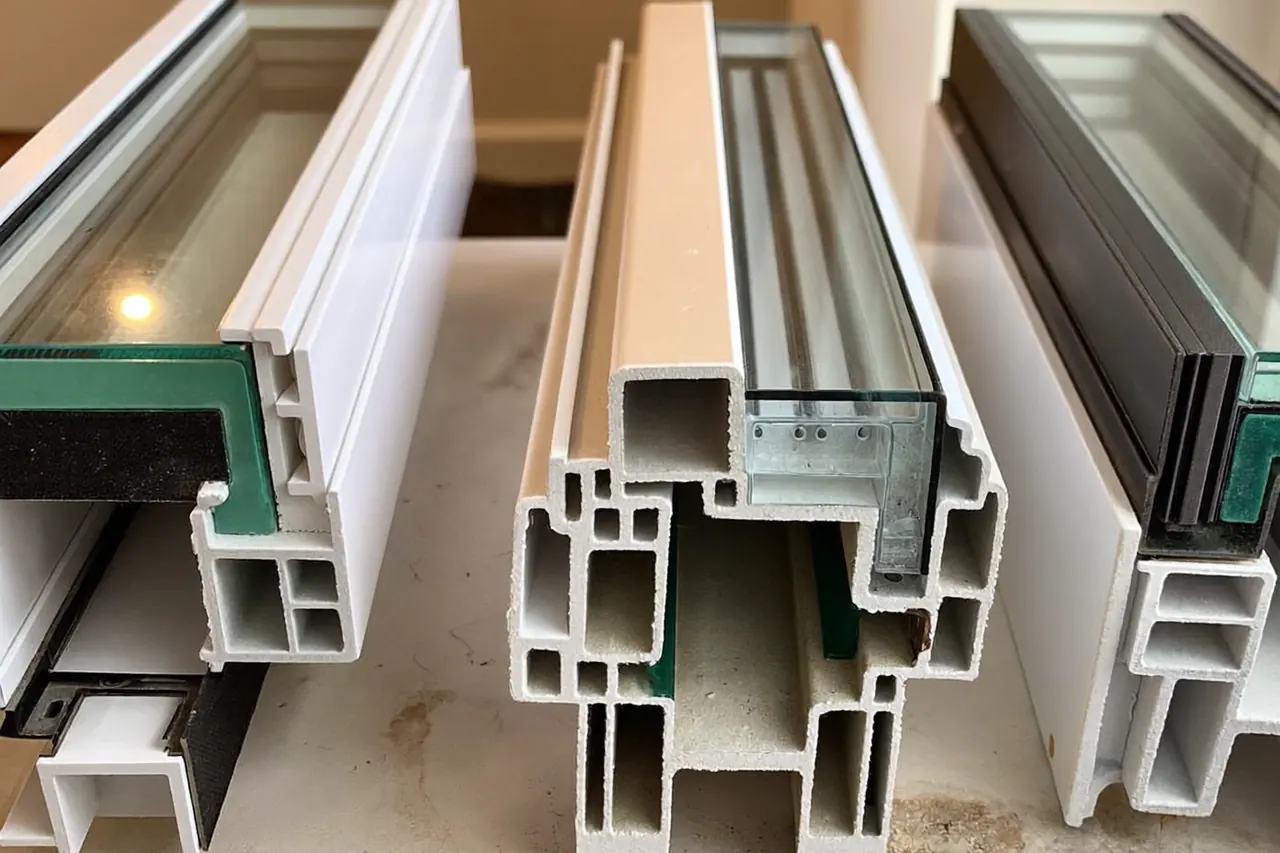
Every window has two parts: the frame (uPVC, timber or aluminium) and the glazing (the glass unit inside it). When people talk about upgrading their windows, they usually mean the glazing — moving from a single pane to a sealed insulating unit, or adding a second internal window. The frame matters for looks and longevity, but the glazing is what changes how a room feels day to day.
The main types of glazing
- Double glazing — two panes of glass separated by a sealed, gas-filled cavity. It is the UK standard and the most common upgrade, cutting heat loss and outside noise compared with single glazing. See our guide to single vs double glazing.
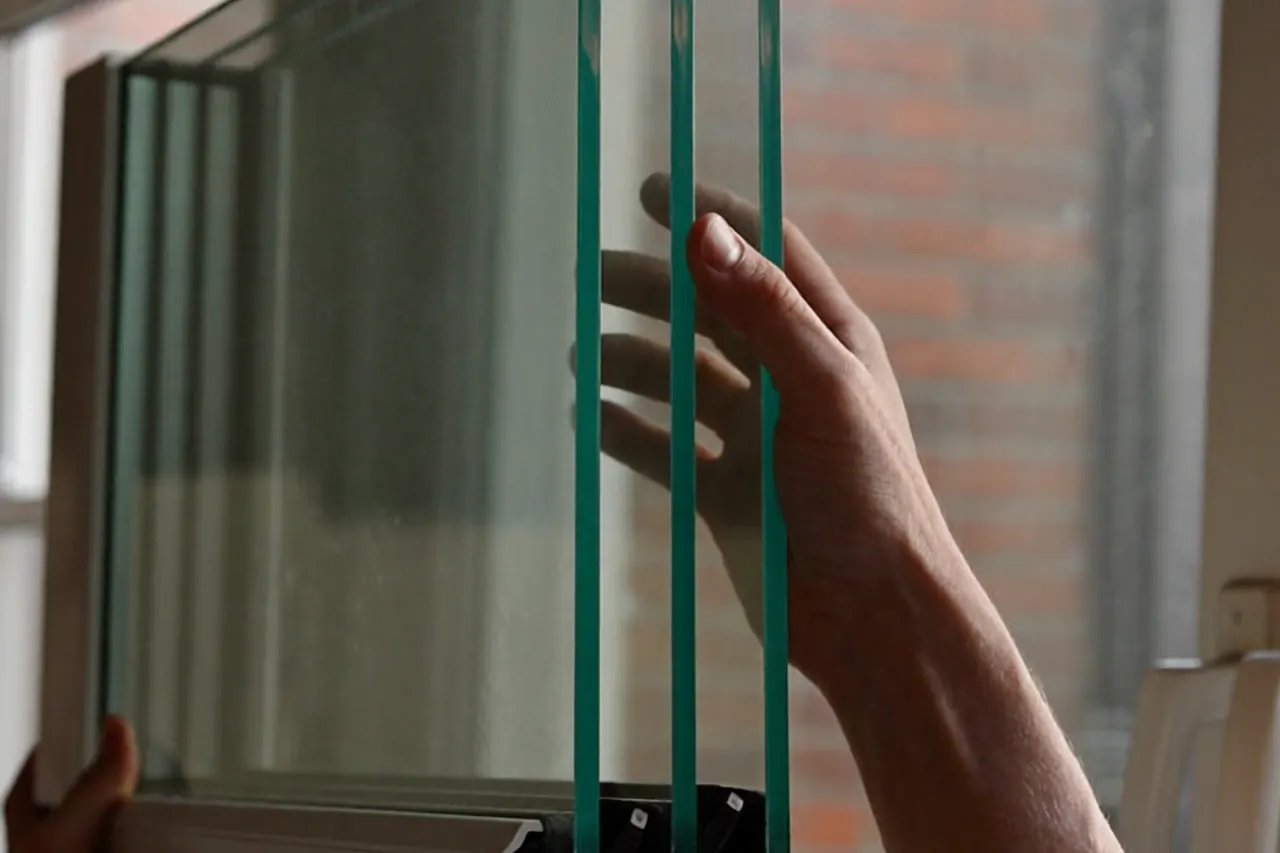
- Triple glazing — three panes and two cavities for the lowest heat loss. It comes into its own on exposed elevations, in very cold rooms and in highly insulated homes. Read more on triple glazing quotes and cost.
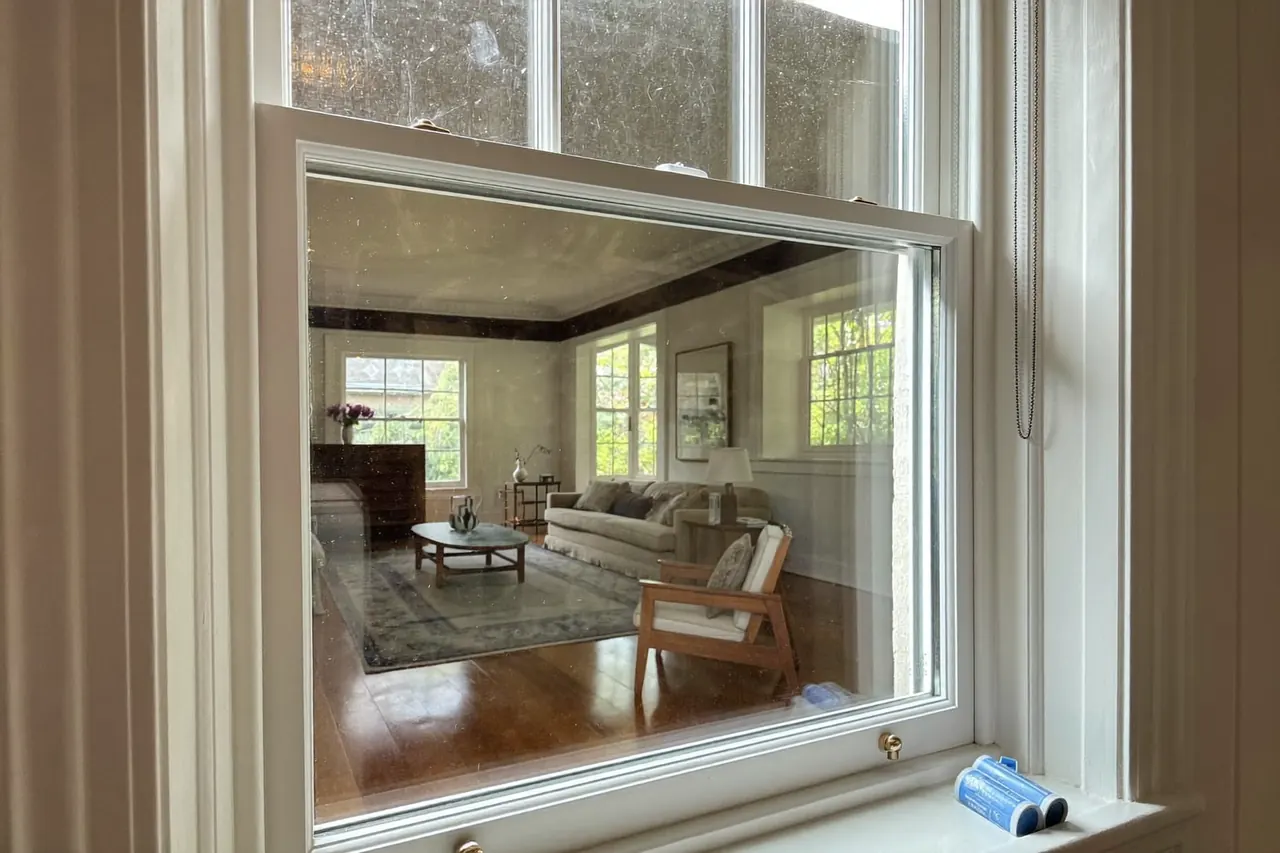
- Secondary glazing — a slim, independent pane fitted on the inside of your existing window. Because the original frame stays put, it is a favourite for period and listed buildings and for soundproofing against traffic noise. Costs are covered on our secondary glazing quotes page.
See your glazing options priced up
Choose double, triple or secondary on the estimator, then send one quick form for a free, no-obligation quote from a vetted local installer.
Get my glazing quote →Specialist glass you can add
Beyond the number of panes, the glass itself can be specified for the job:
- Solar-control and self-cleaning coatings reduce summer overheating and keep the glass clearer for longer — see solar-control and self-cleaning glass. Pairing the right coating with the glazing tech that cuts heat loss can noticeably improve year-round comfort.
- Obscure and privacy glass frosts or patterns the view for bathrooms and street-facing rooms — the levels are explained on obscure and privacy glazing.
- Toughened and laminated safety glass goes where impact or safety rules demand it; our toughened vs laminated glass guide explains which goes where.
How much does each type cost?
Prices depend on the size of your windows, the glass specification, your frames and access, so treat any figure as a typical range rather than a quote. As a rough guide, double glazing usually lands around £450–£800 per window supplied and fitted, triple glazing around £600–£1,100, and secondary glazing around £300–£650.
Indicative typical UK installed prices, not a quote.
If you are weighing up whether to replace the glass or the whole window, it is worth comparing replacement quotes by window type too. And if your current windows have specific faults — draughts, misting, jammed openers — it helps to understand which window problems glazing solves before you decide.
Getting from an estimate to a firm quote
The estimator on our homepage gives you a typical range in seconds. To turn that into a real price, a vetted local installer measures your windows and confirms the specification at a free home survey — there is no obligation to go ahead. If you already know what you want and just want to move quickly, here is getting new windows sorted quickly.
Ready to compare glazing quotes?
Pick your glazing type, send one short form, and a vetted local installer confirms your firm price after a free home survey.
Get my glazing quote →