Single vs double glazing
If your home still has single-glazed windows, upgrading to double glazing is one of the most noticeable changes you can make to comfort. Here is what actually differs between the two, and how to decide whether it is worth it for your home.
The basic difference
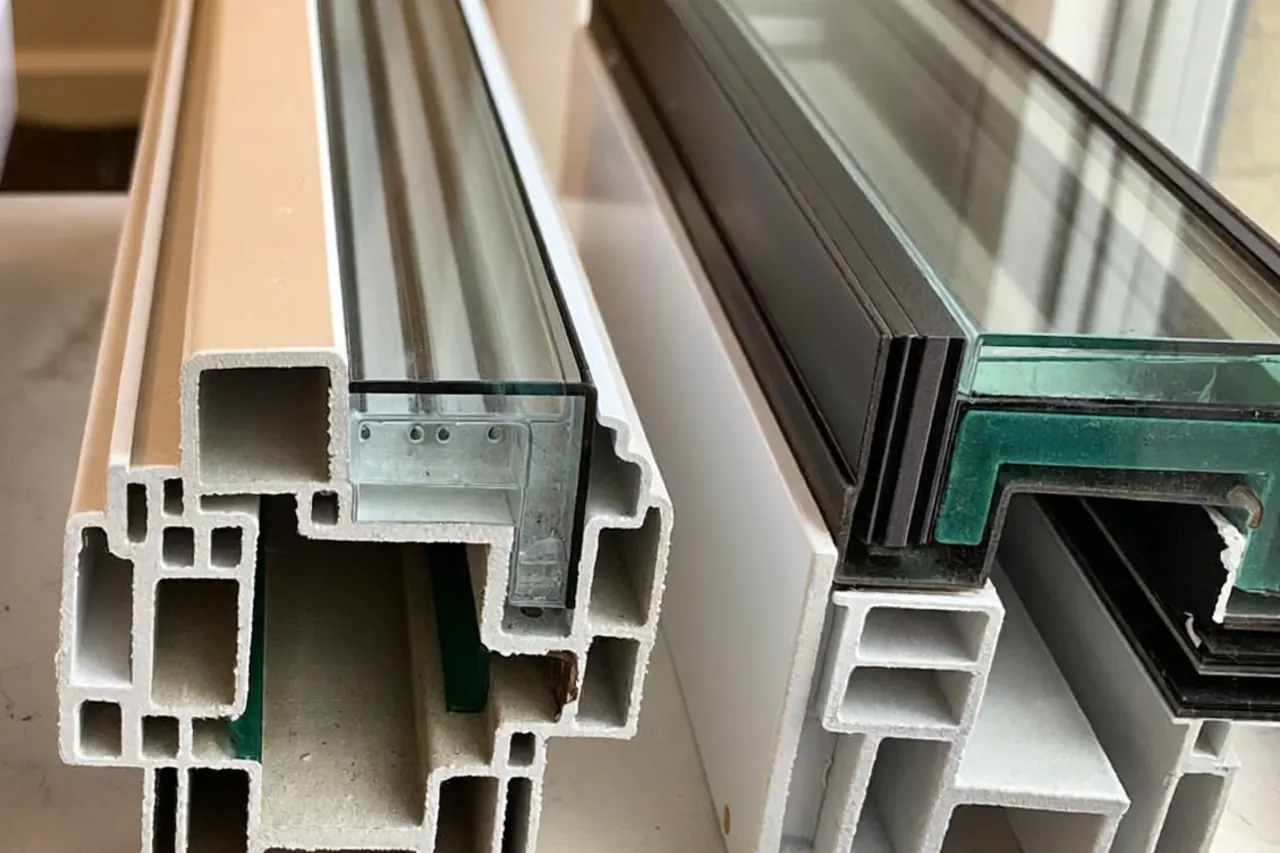
Single glazing is one pane of glass. Double glazing is two panes bonded to a spacer bar with a sealed cavity between them, usually filled with argon gas and often carrying an invisible low-emissivity (low-E) coating. That sealed gap is the key: it slows the movement of heat and dampens sound far better than a single sheet of glass ever can. This is the core idea behind the whole family of insulating units — you can see how it fits alongside triple and secondary options in our types of glazing explained guide.
Warmth and energy
The biggest everyday change is warmth. A single pane is cold to the touch in winter and radiates that chill into the room, which is why single-glazed rooms often feel draughty even when they are sealed. The Energy Saving Trust notes that replacing single glazing with modern A-rated double glazing reduces the heat lost through windows, which can make rooms easier and cheaper to keep warm. Exactly how much you save depends on your property, so treat any figure as a typical range rather than a promise. Choosing units with a good low-E coating is part of the glazing tech that cuts heat loss.
See what double glazing would cost you
Use the estimator for a typical range, then send one quick form for a free, no-obligation quote from a vetted local installer.
Get my glazing quote →Noise and condensation
Two things people notice quickly after switching:
- Noise — the sealed cavity muffles traffic and street sound. It will not silence a busy road on its own, but it takes the edge off.
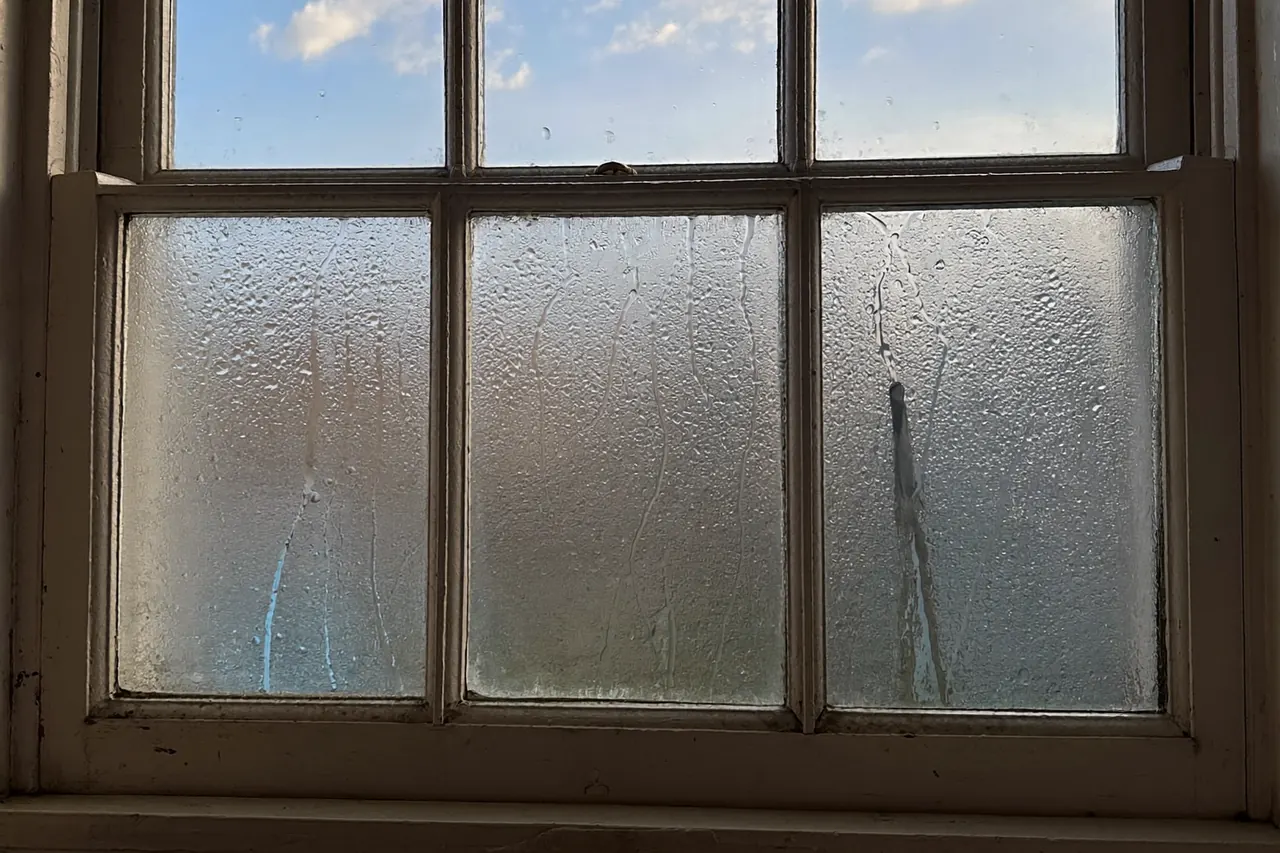
- Condensation — single panes stream with water on cold mornings because the glass sits near the room’s dew-point temperature. Double glazing keeps the inner pane warmer, so internal condensation is far less common. (If mist appears between the panes, that is a failed sealed unit and the glass needs replacing.)
If your current windows are misting, draughty or hard to open, it is worth understanding which window problems glazing solves before you commit.
When to consider triple instead
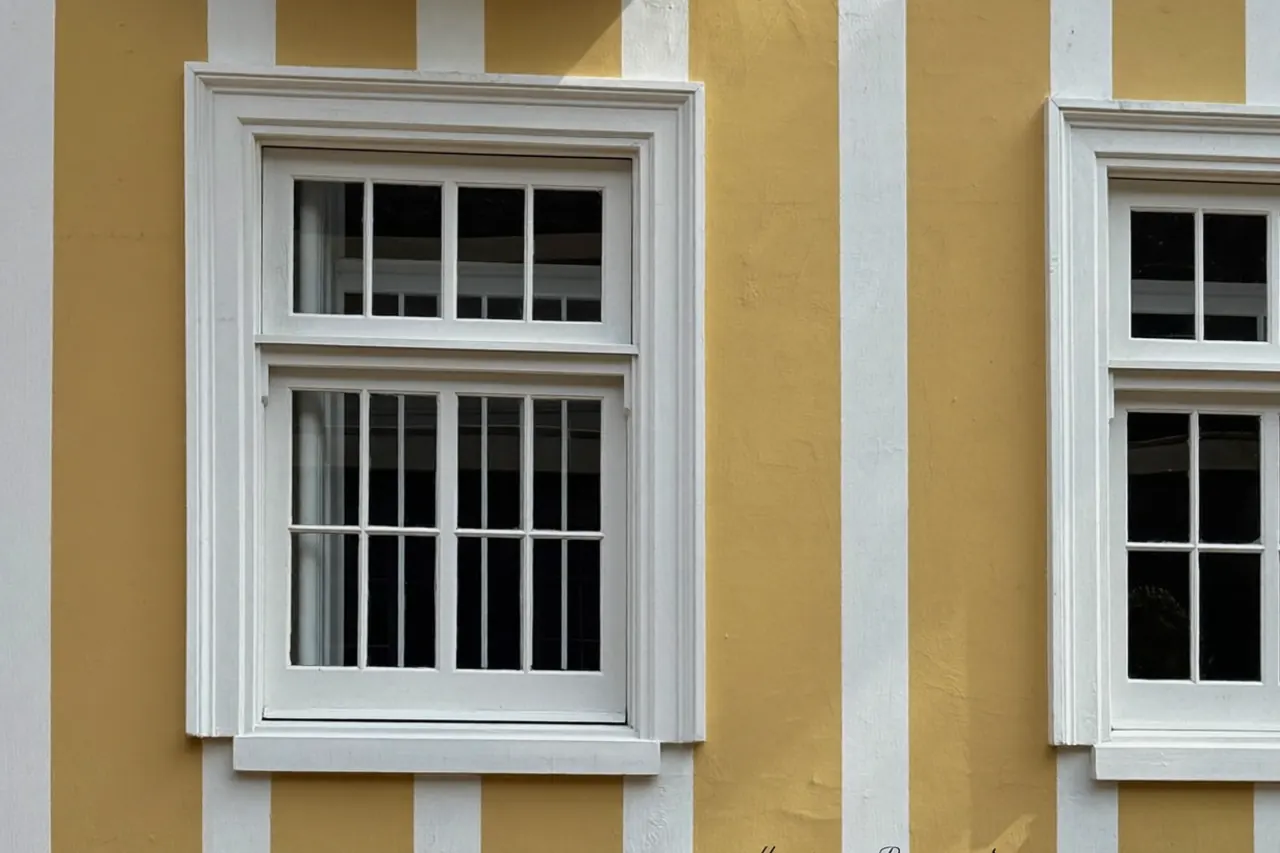
Double glazing suits the vast majority of homes. If you have a very exposed elevation, a persistently cold room, or you are aiming for a high level of insulation, it can be worth comparing triple glazing quotes and cost. Where original frames must stay — in a period or protected property — secondary glazing adds a second pane without replacing the window at all.
What does double glazing cost?
As a typical guide, double glazing tends to fall around £450–£800 per window supplied and fitted, but the real figure depends on size, frame material, glass specification and access.
Indicative typical UK installed prices, not a quote.
If you are thinking about swapping the whole window rather than the glass, compare replacement quotes by window type, and if you want to move fast, here is getting new windows sorted quickly.
Compare your glazing quote today
One short form, matched to a vetted local installer, with your firm price confirmed after a free home survey.
Get my glazing quote →