Secondary glazing quotes and cost
Secondary glazing fits a slim, independent pane on the inside of your existing window, leaving the original frame untouched. It is a practical way to cut draughts, noise and heat loss — especially in homes where you cannot, or do not want to, replace the windows.
How secondary glazing works
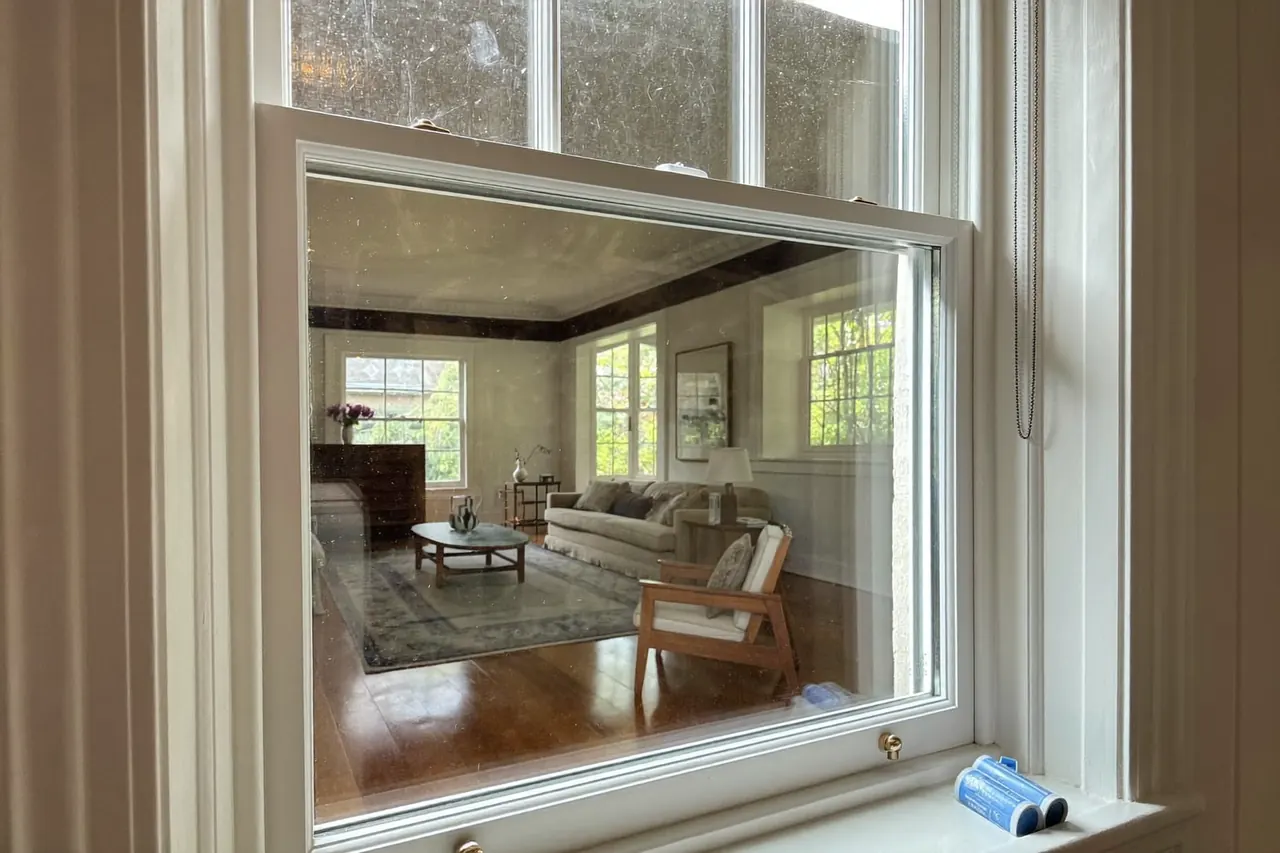
Rather than replacing your window, secondary glazing adds a second, discreet frame just inside it — usually slimline aluminium holding a single pane of glass. The trapped air between your existing window and the new inner pane does the insulating work. Because nothing is done to the original window, it is reversible and sympathetic to the building. It sits alongside double and triple options in our types of glazing explained overview.
What it is good at
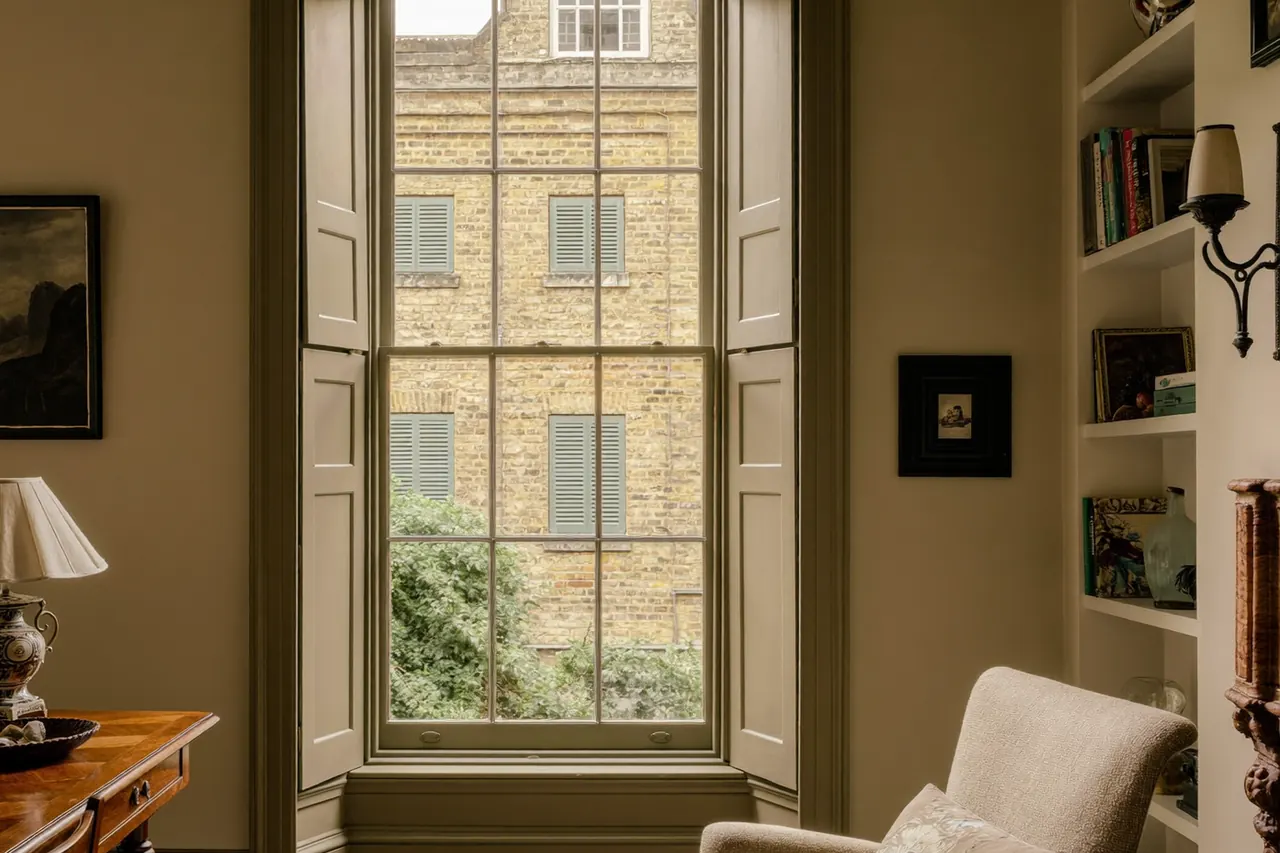
- Keeping period frames — original timber sash and casement windows stay exactly as they are, which is why it is the go-to for listed buildings.
- Cutting noise — a wide air gap between panes is very effective against traffic and street noise; see soundproof secondary glazing.
- Reducing draughts — a well-fitted inner pane blocks the cold air leaking around old frames.
Styles of secondary glazing
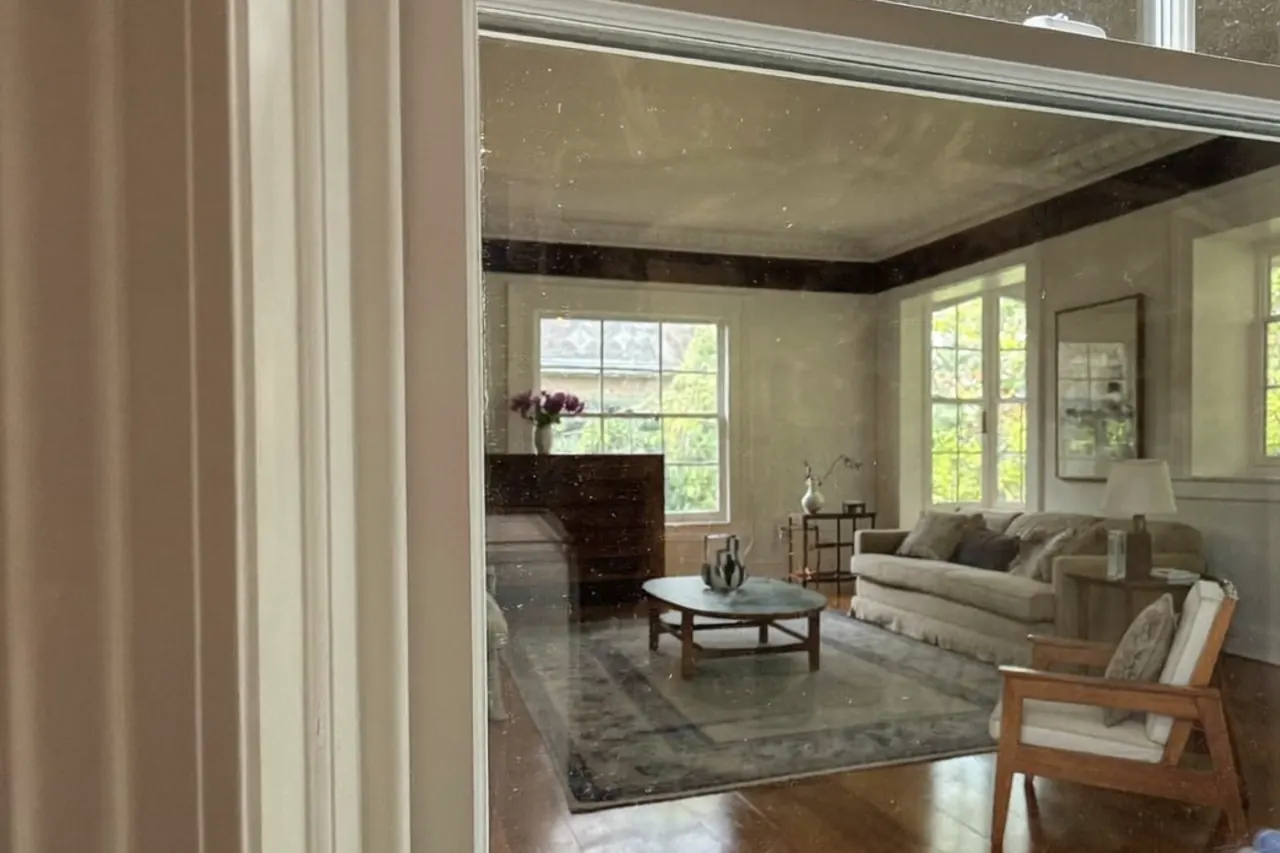
Secondary glazing comes in several styles so it can be matched to how a window is used. Lift-out panels are the simplest and cheapest, ideal for windows you rarely open. Hinged casements swing inward for easy access and cleaning. Vertical and horizontal sliders mirror the movement of the window behind them, so you can still open a sash or casement for ventilation. The right choice depends on whether you need to reach the original window, how often, and the shape of the opening — a surveyor will talk you through it.
Secondary glazing cost
As a typical guide, secondary glazing usually falls around £300–£650 per window supplied and fitted — often less than a full window replacement because the existing frame stays in place. Your figure depends on the style (fixed, hinged, sliding or lift-out), the size, and the glass.
Indicative typical UK installed prices, not a quote.
Get a secondary glazing quote
Send one quick form and a vetted local installer will measure up and confirm a written price after a free home survey.
Get my glazing quote →Secondary or replacement double glazing?
If your frames are sound and you like them — or you are not allowed to change them — secondary glazing is often the sensible choice. If the frames themselves are rotten or failing, replacing the window with double glazing may be the better long-term move. Good coatings and seals are part of the glazing tech that cuts heat loss whichever route you take. If you are comparing full replacements, look at replacement quotes by window type; and if you are not sure what is wrong with your current windows, see which window problems glazing solves.
Getting your quote
Send one quick form and a vetted local installer will measure up and confirm a written price at a free home survey — no obligation. If you would rather just get moving, here is getting new windows sorted quickly.
Compare secondary glazing prices
Use the estimator for a typical range, then send one short form for a free, no-obligation quote from a vetted local installer.
Get my glazing quote →