Glazing for listed buildings
Improving the glazing in a listed or period home means balancing comfort with conservation. The good news is there are several sympathetic options that keep the character of the building while cutting draughts and noise.
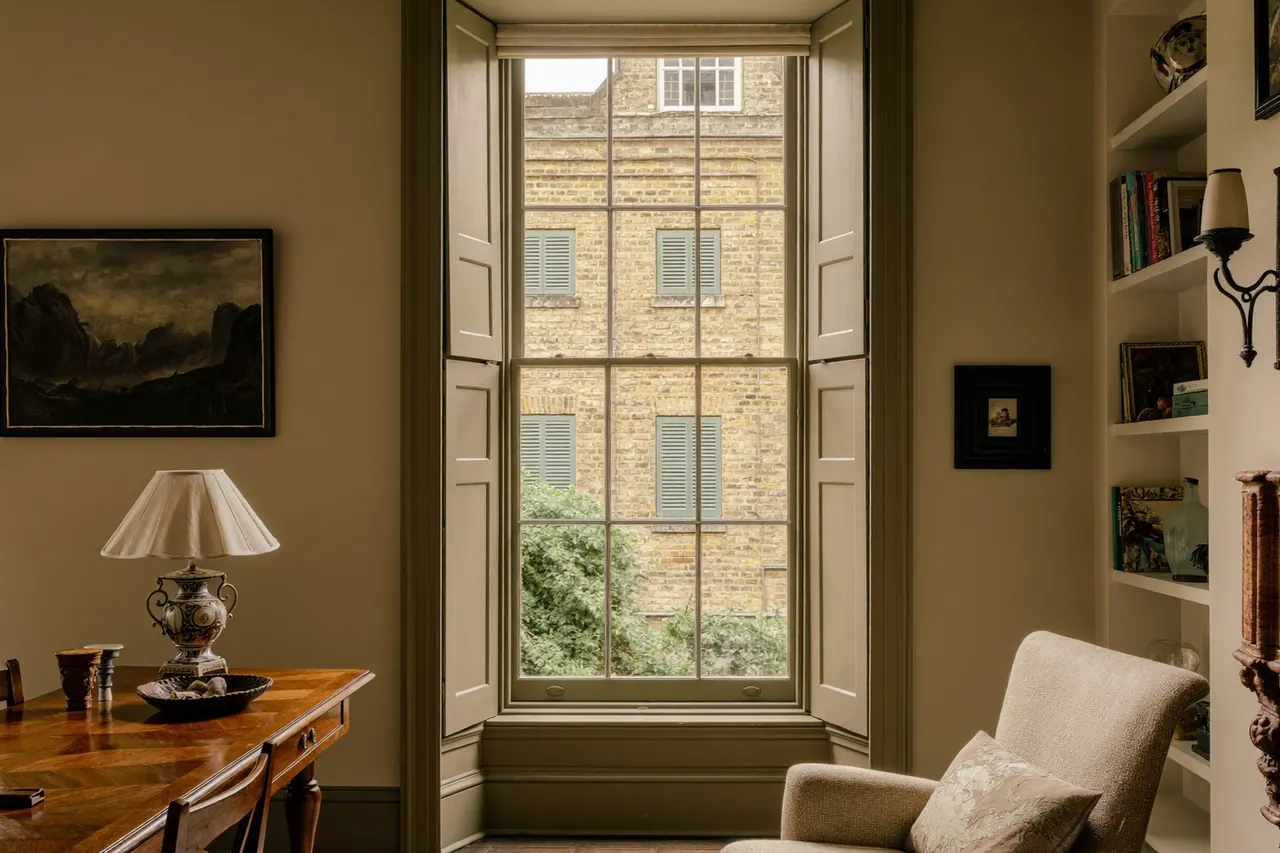
Why listed buildings are different
When a building is listed, its character — including original windows — is legally protected, and altering them usually needs listed building consent from your local authority. Replacing timber sash windows with modern uPVC double glazing is often refused. Even in unlisted homes within a conservation area, there can be restrictions. So the aim is usually to improve performance without changing how the windows look from outside. It is a very different starting point from a standard upgrade — for the full range of options, see types of glazing explained.
The most sympathetic option: secondary glazing
Because it fits discreetly on the inside and leaves the original window untouched, secondary glazing is the option conservation officers most often accept. It is reversible, nearly invisible from the street, and very effective — especially for soundproofing against traffic noise. Slimline frames can be colour-matched to the existing joinery so they almost disappear.
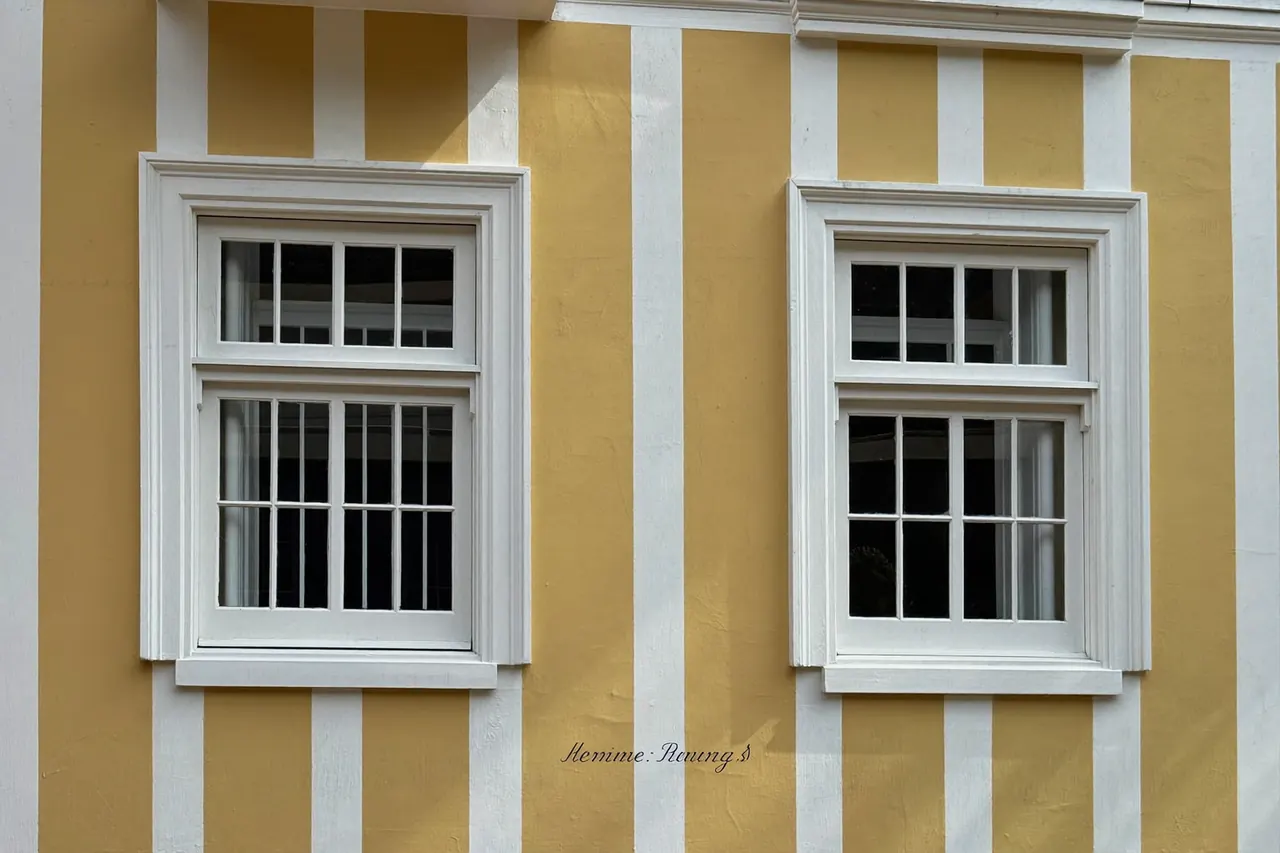
Slim double glazing for timber frames
Where consent allows, specialist slim double-glazed units can sometimes be fitted into existing or replica timber sashes. These use a very narrow cavity so the sightlines stay close to original single glazing, keeping the traditional look while adding an insulating gap. It is a more involved and costly route than secondary glazing, and whether it is permitted depends on your property and local policy. Modern low-E coatings mean even slim units benefit from the glazing tech that cuts heat loss.
Get advice and a quote for a period home
Send one quick form and a vetted local installer experienced with older properties will confirm your options after a free home survey.
Get my glazing quote →Getting consent and doing it properly
A few practical points:
- Check consent first — speak to your local conservation officer before committing; an experienced installer can help you understand what is likely to be approved.
- Repair before you replace — original timber is often repairable, and draught-proofing a sound sash can make a real difference.
- Match the details — glazing bars, putty lines and reveal depths all affect how sympathetic the result looks.
If you are comparing what is possible across window types, replacement quotes by window type is a useful reference, and understanding which window problems glazing solves helps you brief the surveyor.
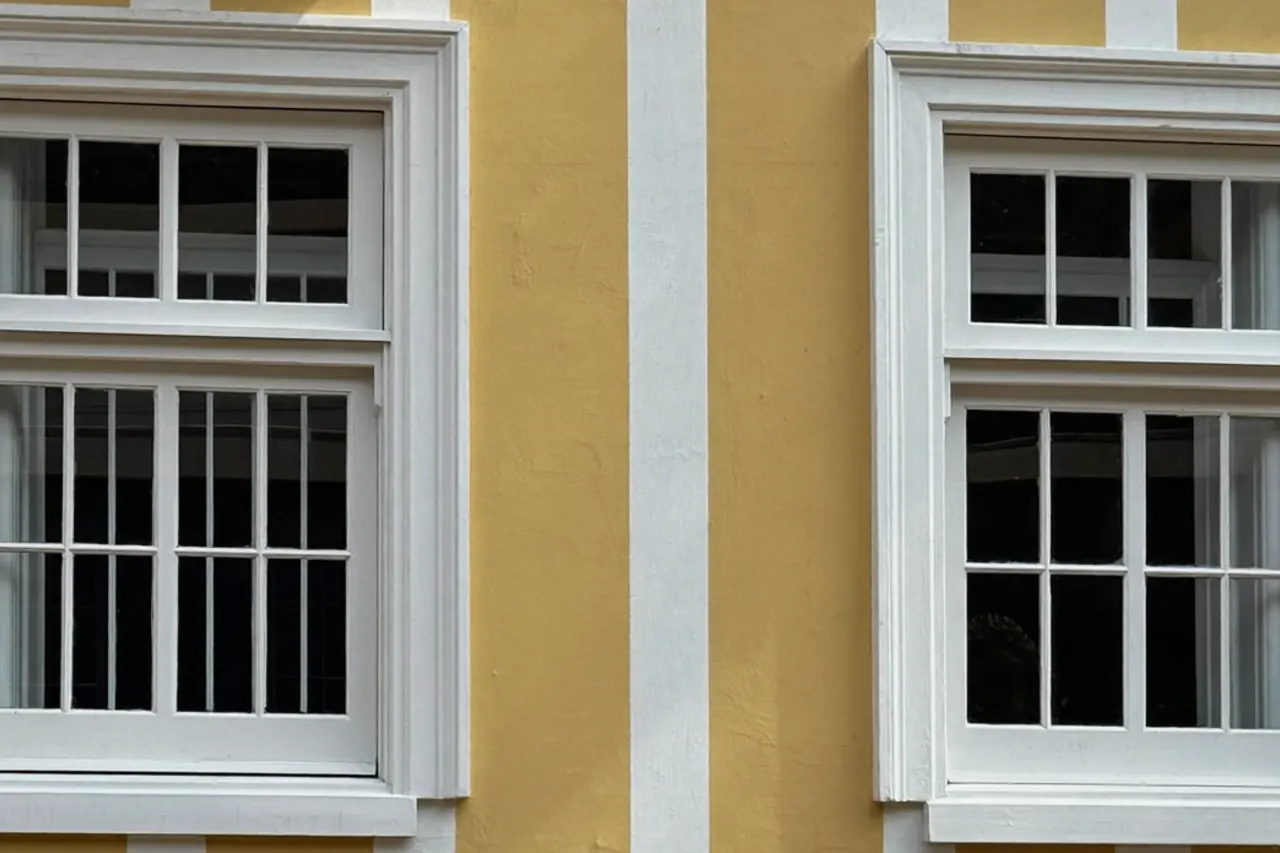
Getting a quote
A vetted local installer experienced with period properties can survey your windows and confirm a written price at a free home survey, with no obligation to proceed. If you already know your approach and want to progress, here is getting new windows sorted quickly.
Improve a listed home sympathetically
One short form, matched to a vetted local installer, with your firm price confirmed after a free home survey.
Get my glazing quote →