Obscure and privacy glazing
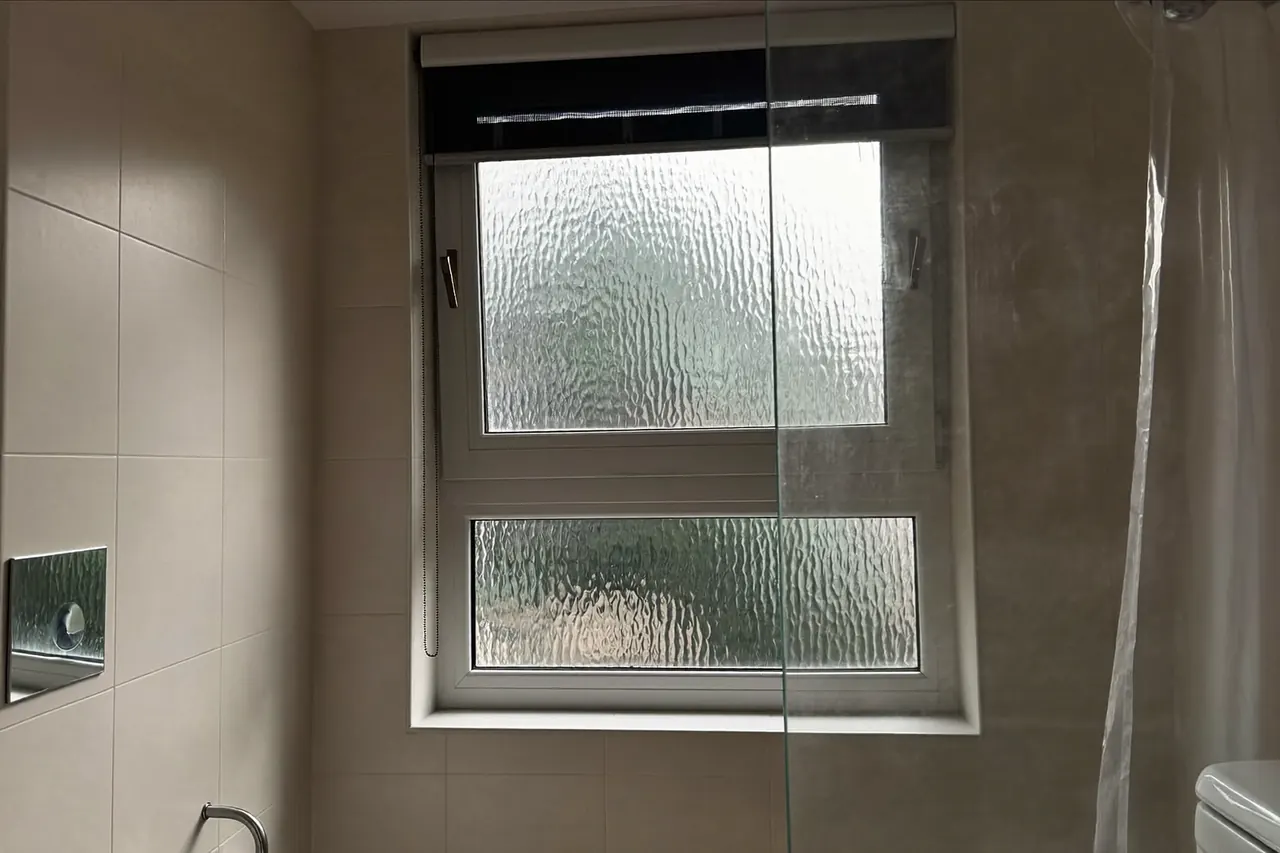
Obscure glazing lets light into a room while blurring the view — ideal for bathrooms, front doors and windows that overlook a neighbour or the street. Here is how privacy levels work and where each pattern fits.
What obscure glass is
Obscure (or “patterned”) glass is textured or etched so you cannot see clearly through it, while still letting plenty of daylight in. It is most common in bathrooms and en-suites, but it is also used for front doors, side panels, stairwell windows and any room that faces a neighbour closely. It can be specified as the inner or outer pane of a sealed double-glazed unit, so you keep full insulation — for how that fits together, see types of glazing explained.
Privacy levels explained
UK obscure glass is graded on a privacy scale, typically from 1 (very little obscuration) to 5 (almost total privacy). As a rough guide:
- Levels 1–2 blur the view a little — good for a stairwell where you still want a sense of outside.
- Levels 3–4 are the usual choice for bathrooms, giving strong privacy while keeping the room bright.
- Level 5 is the most private, used where the glass is very close to a neighbour or at eye level.
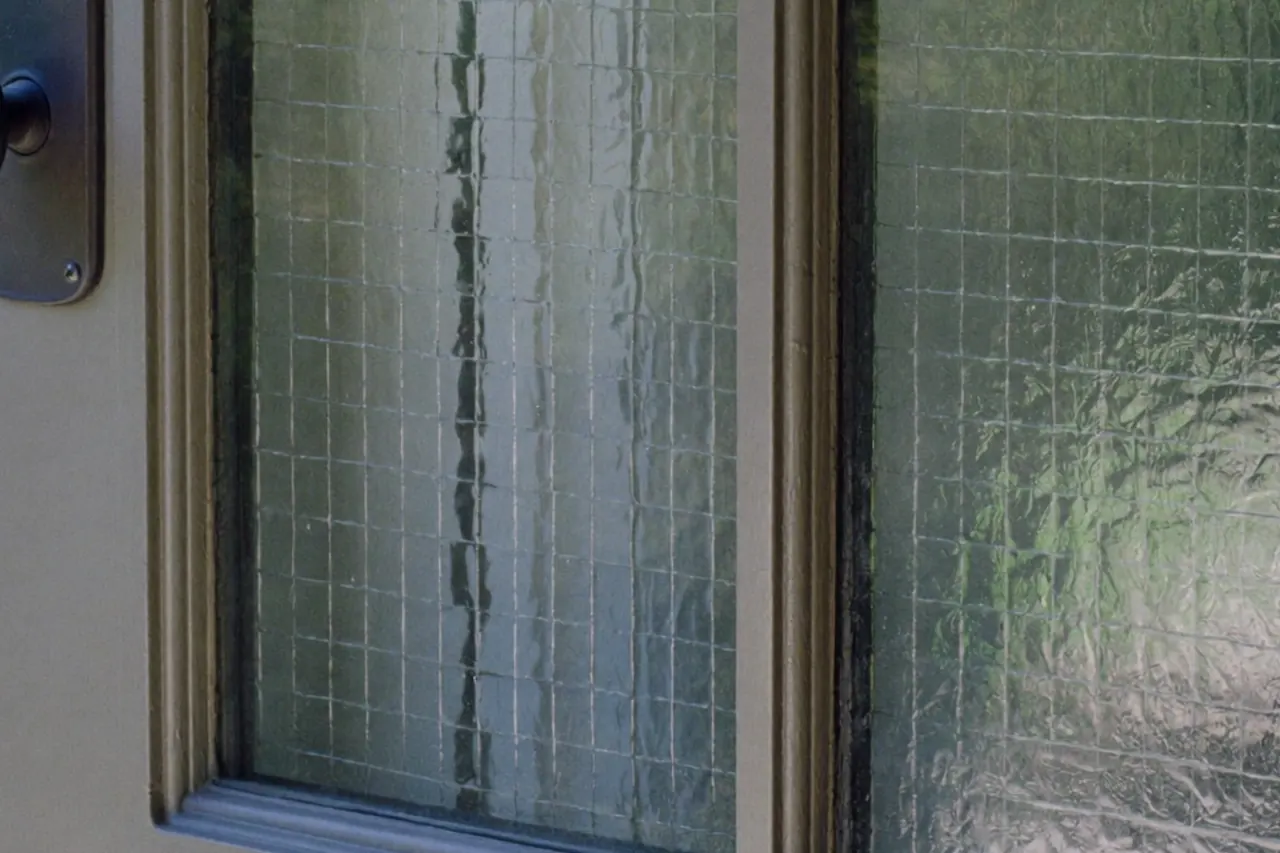
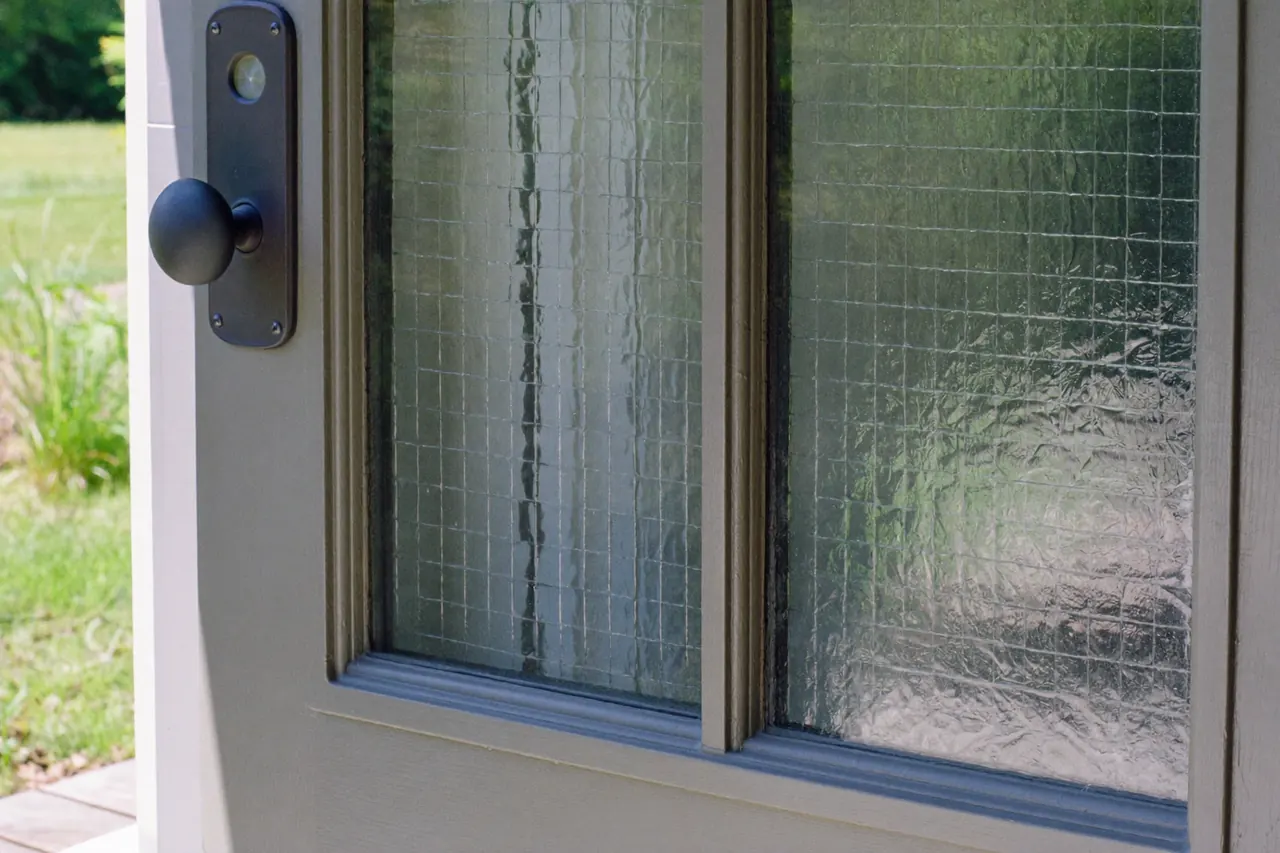
Patterns range from subtle ripples and reeded lines to heavier textures, so you can match the look of your home.
Other ways to add privacy
Obscure glass is not the only option:
- Frosted or acid-etched glass gives a smooth, uniformly translucent finish that suits modern interiors — often used on front doors and glazed partitions.
- Applied privacy film can be added to existing glass, though it is less durable than obscure glass built into the unit.
- Solar-control and tinted glass add a degree of daytime privacy as well as cutting heat — see solar-control and self-cleaning glass.
Add privacy where you need it
Send one quick form and a vetted local installer will specify the right obscure glass after a free home survey.
Get my glazing quote →Safety where it is needed
Glazing near doors, at low level and in bathrooms often has to be safety glass by law. Obscure glass can be toughened or laminated to meet those rules without losing privacy — our toughened vs laminated glass guide explains which is required where. Choosing the right coating and build also keeps you benefiting from the glazing tech that cuts heat loss.
Getting a quote
Tell your surveyor which rooms need privacy and to what level, and they will specify the right glass and confirm a written price at a free home survey, with no obligation. If you are comparing full windows or doors, see replacement quotes by window type; to understand current faults, see which window problems glazing solves; and to get moving, here is getting new windows sorted quickly.
Price up obscure and privacy glass
One short form, matched to a vetted local installer, with your firm price confirmed after a free home survey.
Get my glazing quote →