Toughened vs laminated glass
Toughened and laminated are the two main types of safety glass used in homes. They behave very differently when they break, and building regulations dictate where each is needed. Here is how to tell them apart and choose the right one.
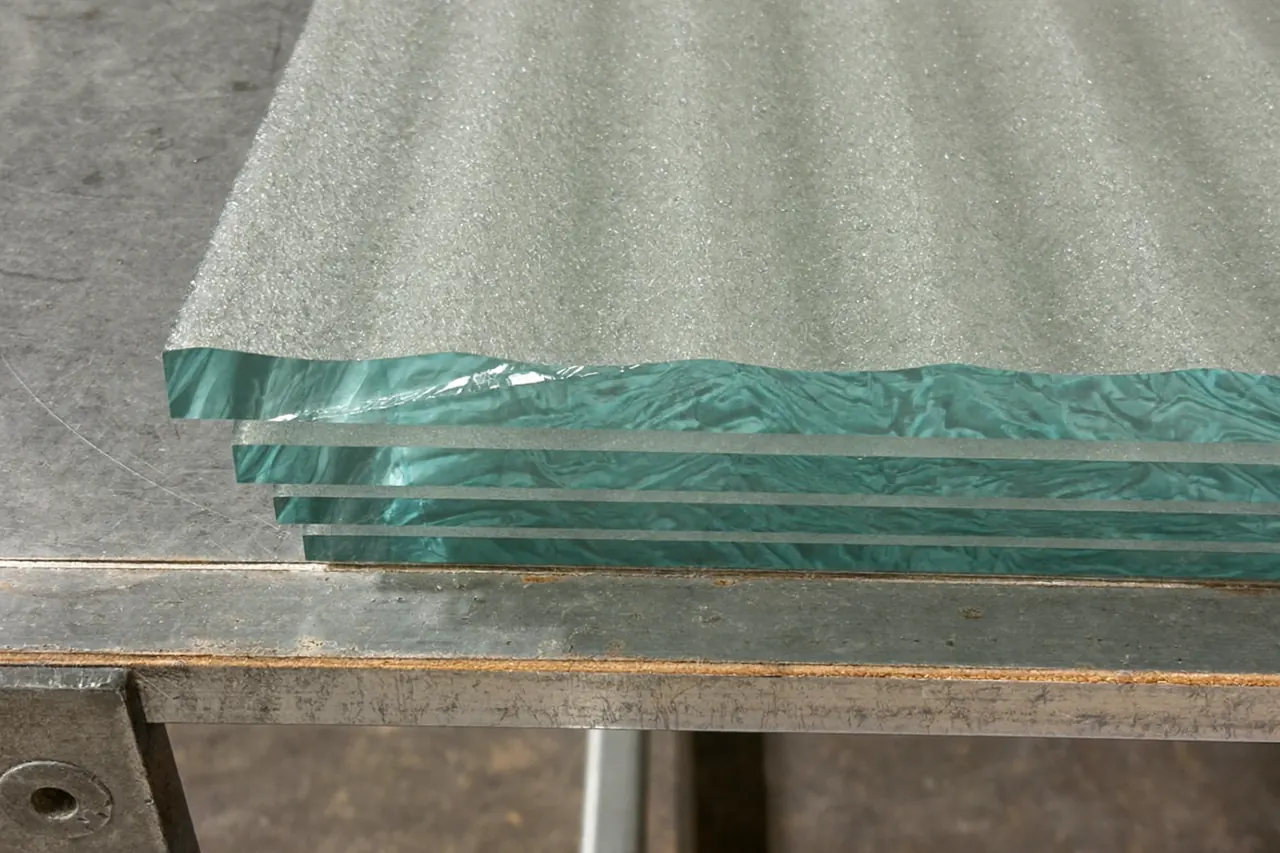
Toughened (tempered) glass
Toughened glass is heat-treated so it is roughly four to five times stronger than ordinary annealed glass. Its defining feature is how it breaks: instead of sharp shards, it shatters into small, blunt granules that are far less likely to cause serious injury. That makes it ideal for glazed doors, low-level windows, shower screens and glass close to the floor. The trade-off is that once toughened it cannot be cut or drilled, so it is made to size. For where it sits among glazing choices generally, see types of glazing explained.
Laminated glass
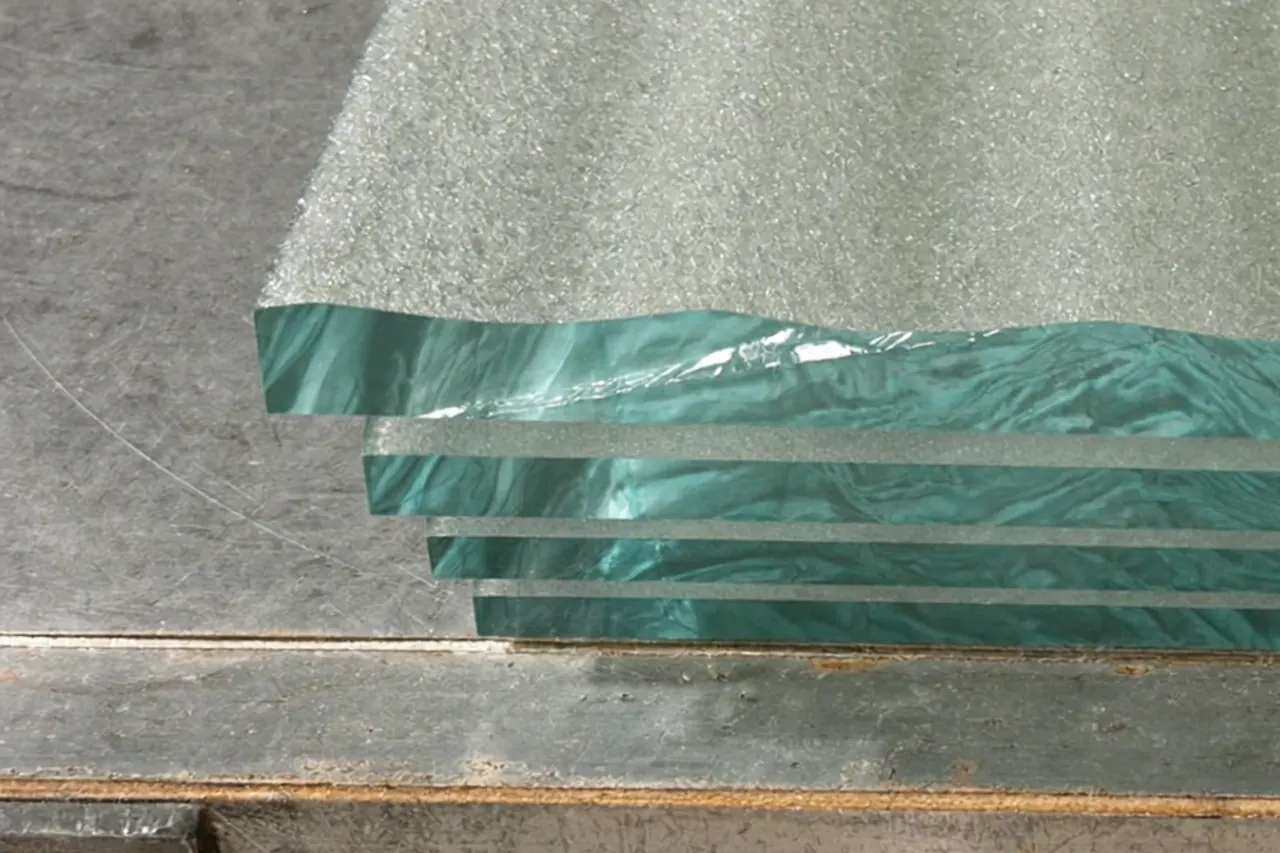
Laminated glass is two or more panes bonded together with a tough plastic interlayer (usually PVB). When it breaks, the fragments stay stuck to the interlayer rather than falling out, so the pane holds together — the same principle as a car windscreen. That gives it three big advantages:
- Security — it resists being smashed through, so it is used in doors, ground-floor windows and anywhere break-in risk matters.
- Safety — the glass stays in place if hit, protecting against falls from height.
- Sound and UV — the interlayer also dampens noise (useful for soundproof secondary glazing) and blocks most UV.
Which goes where?
UK building regulations require safety glass in “critical locations” — in and beside doors, and in low-level glazing below 800mm (or 1500mm next to doors). Either toughened or laminated satisfies the rules there, so the choice often comes down to priorities:
- Pick toughened for cost-effective impact safety in doors, shower screens and low windows.
- Pick laminated where security, sound reduction or fall protection matter — ground-floor and accessible windows, glass balustrades, and overhead glazing.
Get the right safety glass specified
Send one quick form and a vetted local installer will confirm which openings need safety glass after a free home survey.
Get my glazing quote →Combining with other glass properties
Safety glass is not a separate window — it is a specification of the pane. So you can have laminated glass that is also low-E for insulation, solar-control for summer heat (see solar-control and self-cleaning glass), or obscured for privacy (see obscure and privacy glazing). Good coatings mean your safety glass still delivers the glazing tech that cuts heat loss.
Getting a quote
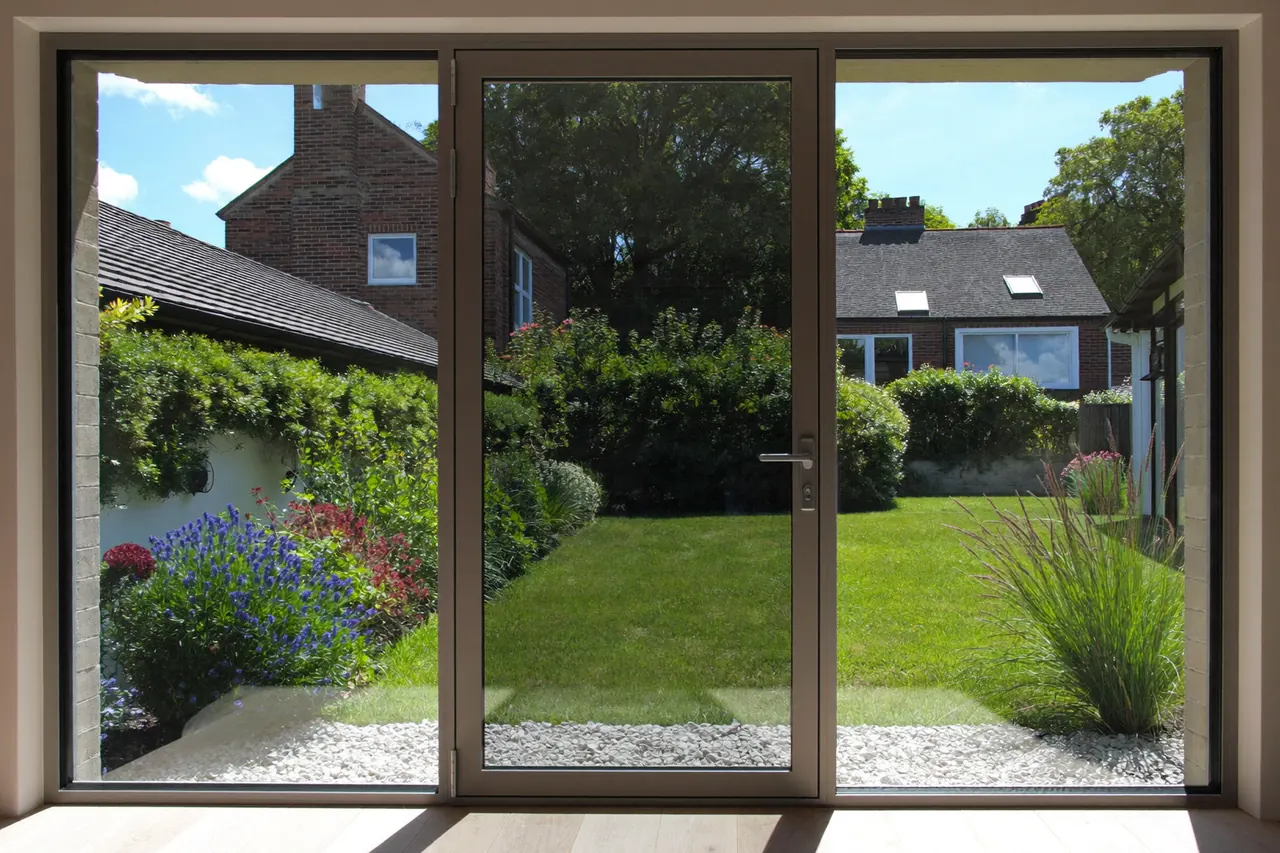
Your surveyor will identify which openings legally need safety glass and recommend toughened or laminated for each, then confirm a written price at a free home survey with no obligation. If you are comparing whole windows and doors, see replacement quotes by window type; to understand existing problems, see which window problems glazing solves; and to move quickly, here is getting new windows sorted quickly.
Price up your glazing with safety glass
One short form, matched to a vetted local installer, with your firm price confirmed after a free home survey.
Get my glazing quote →