Solar-control and self-cleaning glass
Glazing is not just about keeping heat in — the glass itself can be specified to reflect summer heat, cut glare and even stay cleaner for longer. Here is how solar-control and self-cleaning coatings work and where they are worth it.
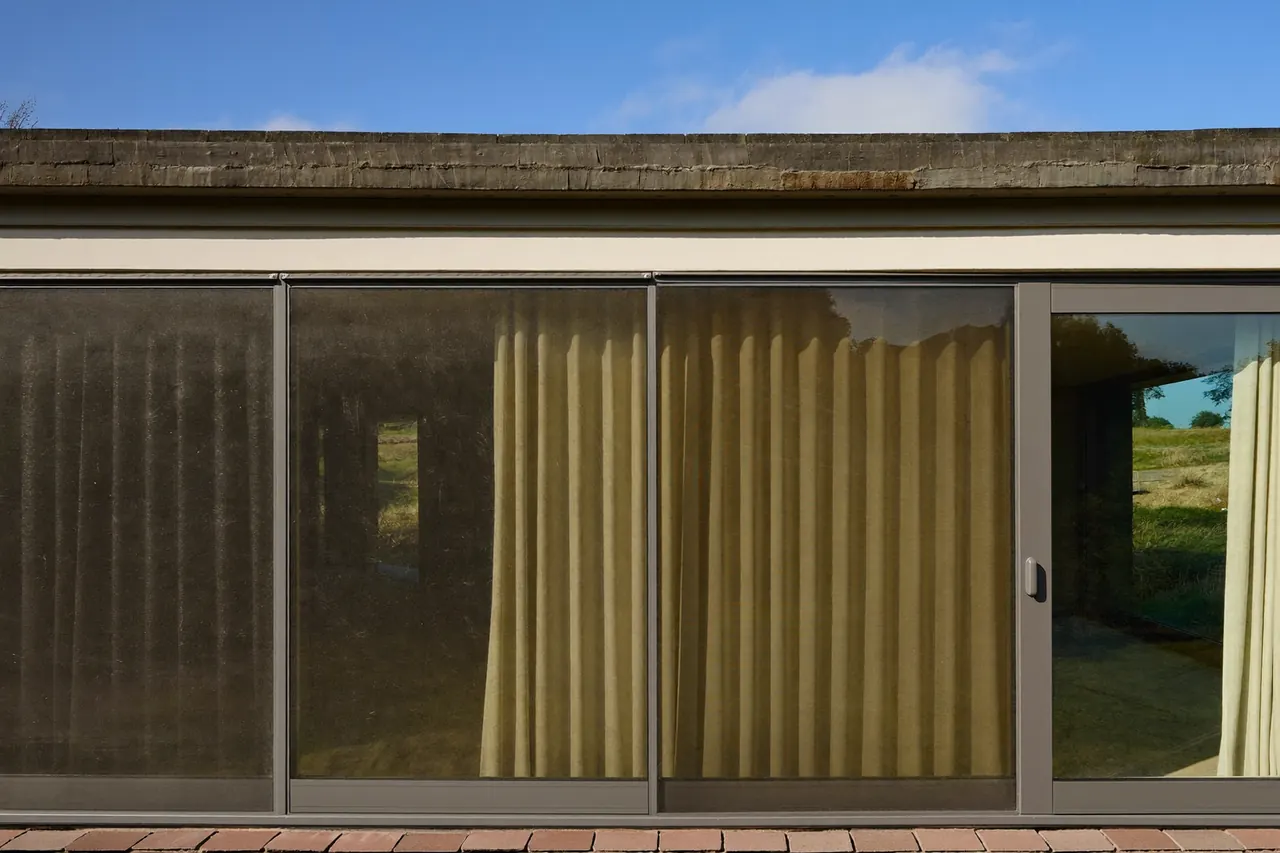
Solar-control glass
Large south- and west-facing windows can turn a room into a greenhouse in summer. Solar-control glass has a microscopically thin metal-oxide coating that reflects a portion of the sun’s heat (solar radiation) before it enters, while still letting daylight through. The result is a cooler, more comfortable room with less reliance on blinds or air conditioning. It pairs naturally with the insulating low-E coatings that make up the glazing tech that cuts heat loss in winter — a good unit can do both jobs. For how this fits with pane count and frames, see types of glazing explained.
Where solar control makes sense
- Rooms with big glazed areas facing the sun;
- Conservatories and garden rooms that overheat;
- Bi-fold and patio doors with a lot of glass;
- Top-floor or loft rooms that catch the afternoon sun.
If glare is the main issue, a solar-control coating combined with the right blinds usually solves it.
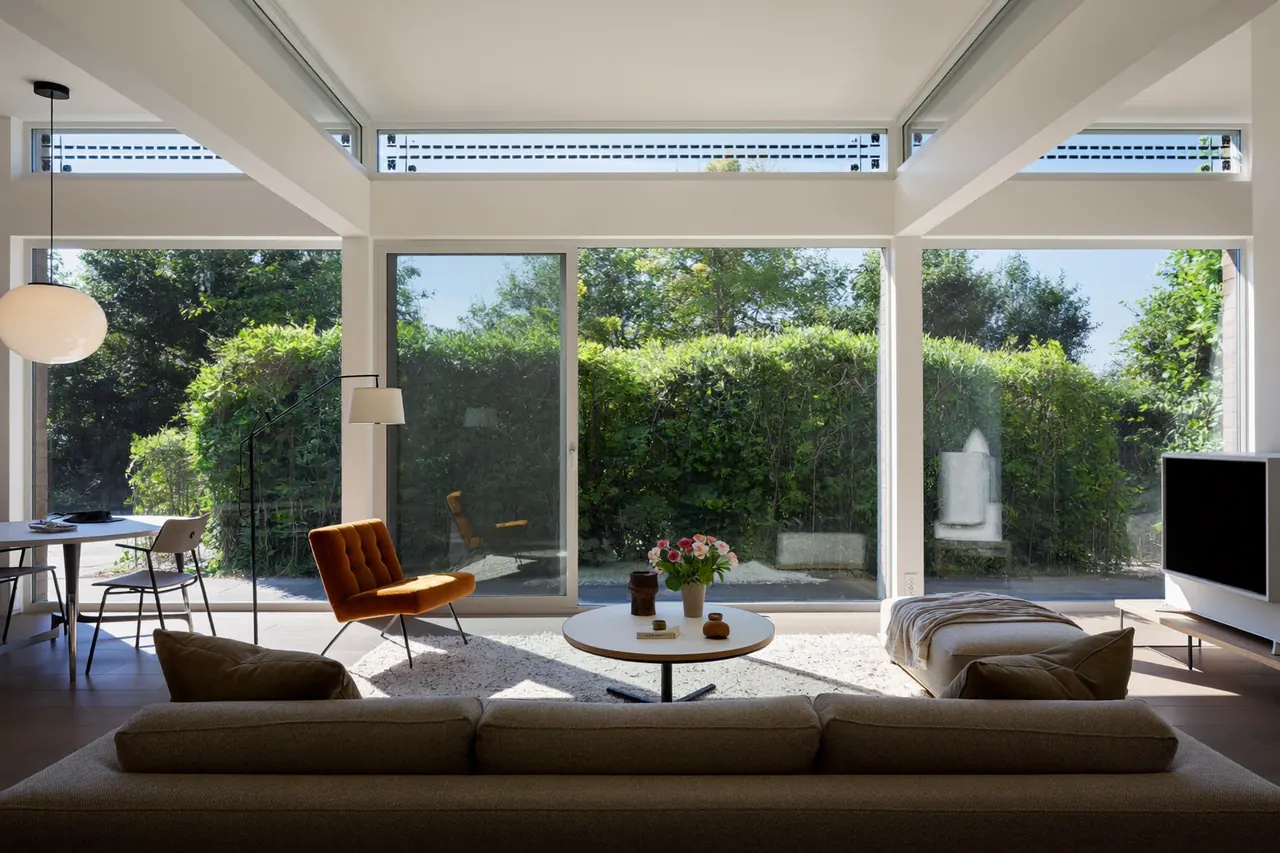
Self-cleaning glass
Self-cleaning glass has a special outer coating that works in two stages. In daylight, the coating reacts with UV to break down organic dirt; then, when it rains, water sheets across the surface rather than beading, washing the loosened grime away and drying with fewer streaks. It will not remove the need to clean entirely, but it keeps hard-to-reach glass — conservatory roofs, high windows — clearer for longer between cleans.
Specify the right glass for each room
Send one quick form and a vetted local installer will confirm the coatings that suit your home after a free home survey.
Get my glazing quote →Combining coatings
Modern sealed units can layer several properties into one piece of glass: low-E for insulation, solar control for summer heat, self-cleaning on the outside, and even obscure or safety options on the inside pane. If privacy is also a concern, our obscure and privacy glazing guide covers the choices, and where safety glass is required see toughened vs laminated glass. The key is telling your surveyor how each room is used so the specification is right.
Getting a quote
Specialist coatings vary in price, so treat any figure as a typical range rather than a quote until a surveyor has seen the job. A vetted local installer will confirm a written price at a free home survey with no obligation. If you are comparing whole windows, see replacement quotes by window type; to understand underlying faults first, see which window problems glazing solves; and to move quickly, here is getting new windows sorted quickly.
Cut summer heat and glare
One short form, matched to a vetted local installer, with your firm price confirmed after a free home survey.
Get my glazing quote →